LIPP® DOUBLE-SEAM / SPIRAL RIB
Conventional systems are often unsuitable for the optimum, safe storage of solid or liquid substances and their use can result in premature corrosion, leaks and problems with safety. Flexibility is another important factor. Tanks must be flexible in terms of size and substrate and optimally adaptable to the local conditions.
THE BENEFITS OF THE LIPP SPIRAL SILO/TANK
- Edgeless, smooth finish
- Maximum leak tightness
- Automated, efficient production on site
- Low installation and investment
- Minimal installation space required
- High static and dynamic stability
- Available in stainless steel, VERINOX® stainless steel or galvanized steel/black steel
- Substrate-flexible due to specific material selection
- Low maintenance costs
Selection Guide for Brewery Wastewater Treatment Tanks 1. The selection of materials
Corrosion resistance
High-density polyethylene (HDPE) or stainless steel is preferred to avoid damage to the tank caused by sewage corrosion.
If high-temperature wastewater is involved (e.g. distillation), additional consideration should be given to the temperature resistance of the material.
Economical and environmentally friendly
The
Stainless Steel Tank can be used for a long time, but the initial cost is higher; HDPE tanks are lightweight and inexpensive, making them suitable for small to medium-sized handling systems.
2. Capacity design
Calculation basis
The tank capacity is determined based on the average daily throughput of the sewage treatment system, the peak flow rate and the residence time of the regulating tank (usually ≥ 4 hours).
It is recommended to reserve 10%–20% of redundant capacity to cope with water quality fluctuations or sudden flow shocks.
References
A brewery uses IC anaerobic reactor tandem regulating tank, and the volume is designed to be 1.5 times the daily processing capacity to ensure uniform water quality.
3. Structural requirements
Tank & substructures
The tank body needs to be equipped with an internal support structure (such as stiffeners or grid supports) to ensure that the pressure bearing capacity ≥ 0.3MPa.
The bottom design should be convenient for sludge sedimentation and slag discharge, and it is recommended to have a conical bottom or flat bottom with a sewage outlet.
Interfaces and valves
The inlet and outlet should be equipped with flange connections and valves (such as butterfly valves, ball valves) to facilitate pipeline docking and flow control.
Float valves or level sensors can automatically control the liquid level and prevent overflow.
4. Process adaptability
Adaptation of anaerobic treatment unit
If IC anaerobic reactor is used, it is necessary to choose a tank with strong impact load resistance and high sludge retention rate to match the high COD degradation demand. The tank equipped with a sludge selector (similar to a secondary sedimentation tank) needs to optimize the slurry-water separation structure to reduce the effluent suspended solids (SS).
Heat recovery needs
If it is necessary to recover the heat energy of wastewater (such as cooling water circulation), a storage tank with jacketed insulation layer can be selected to improve the utilization rate of heat energy.
5. Special functional requirements
Security
The tank body needs to be equipped with a safety valve and a pressure gauge to prevent overpressure operation; Explosion-proof devices need to be installed in flammable and explosive areas.
Eco-friendliness
Choose a tank with a deodorizer or a supporting exhaust gas treatment system to reduce the emission of odorous gases such as hydrogen sulfide.
6. The selection of manufacturers
Qualification Verification Preference is given to manufacturers that have passed ISO certification and have a case of brewery wastewater treatment engineering (such as Anyang
lipp silo Engineering Co., Ltd.).
Customized service Manufacturers are required to provide tank structure drawings, material testing reports and installation instructions to ensure seamless connection with the existing treatment system
About Us
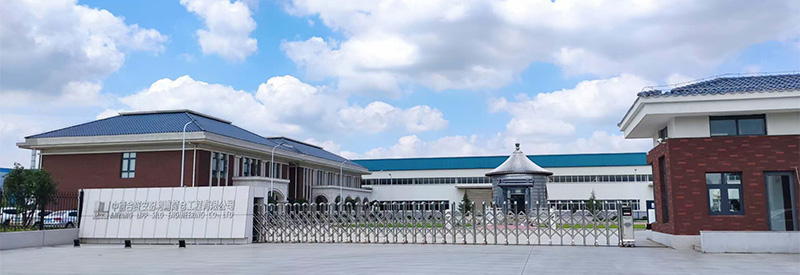
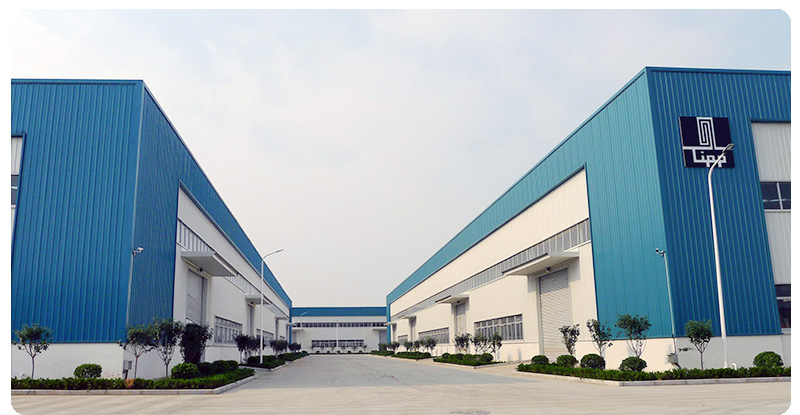
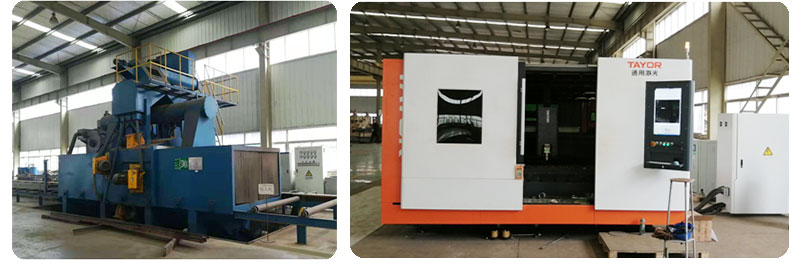
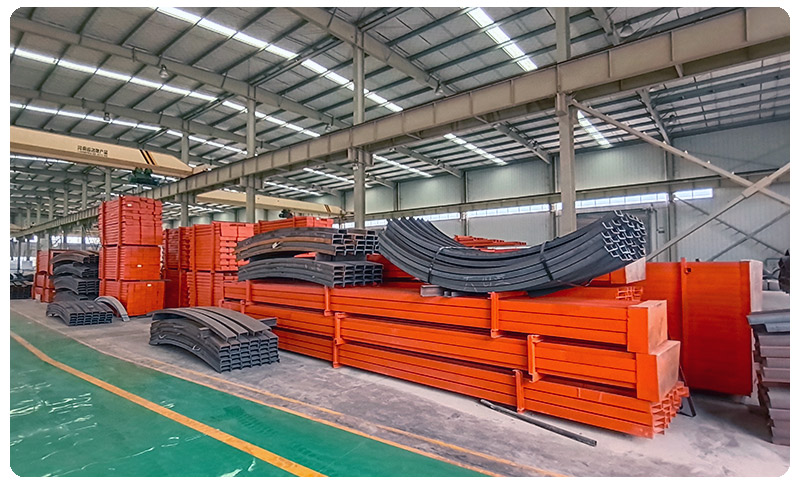
Anyang Lipp Silo Engineering Co.,Ltd is a joint venture established between Anyang Lipp Silo Co.,Ltd and its German partner, Lipp GmbH, specializing in the production of Lipp silo, also known as spiral silo. With registered capital of RMB20 million, fixed assets over RMB150 million, Anyang Lipp is also a certified contractor of steel structure construction and environmental-friendly projects. Among all its competitors, the company is the first to get ISO9000 certificate, capable of doing research, design, fabrication and installation.
Founded in 1984, Anyang Lipp has built over 10,000 steel silos in China and other countries like USA, Russia, Kazakhstan, Mongolia, Malaysia, Egypt, Zambia, Indonesia, Cambodia, Brunei etc. With superior product and service, Anyang Lipp has served many domestic and international enterprises including Carlsberg, Heineken, Wilmar, M+W Group, Netafim, Lafarge, Royal Cement, COFCO, etc.
With over 500 employees, Anyang Lipp can build steel silo with the total capacity of 5 million m3 per year. About 120 technical staffs and engineers strengthen the company’s competitive edge, making us the most productive and reputed steel silo manufacturer in China.
Company Tour




 Contact Now


