


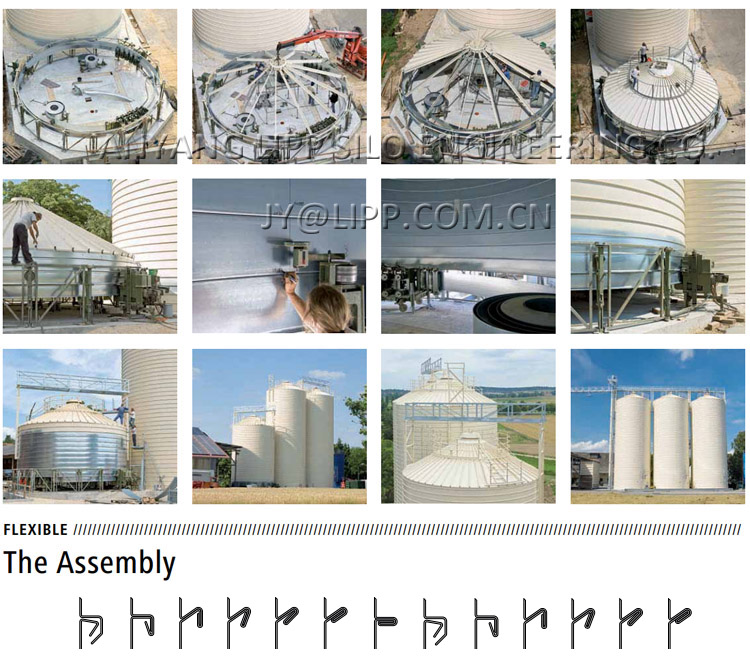
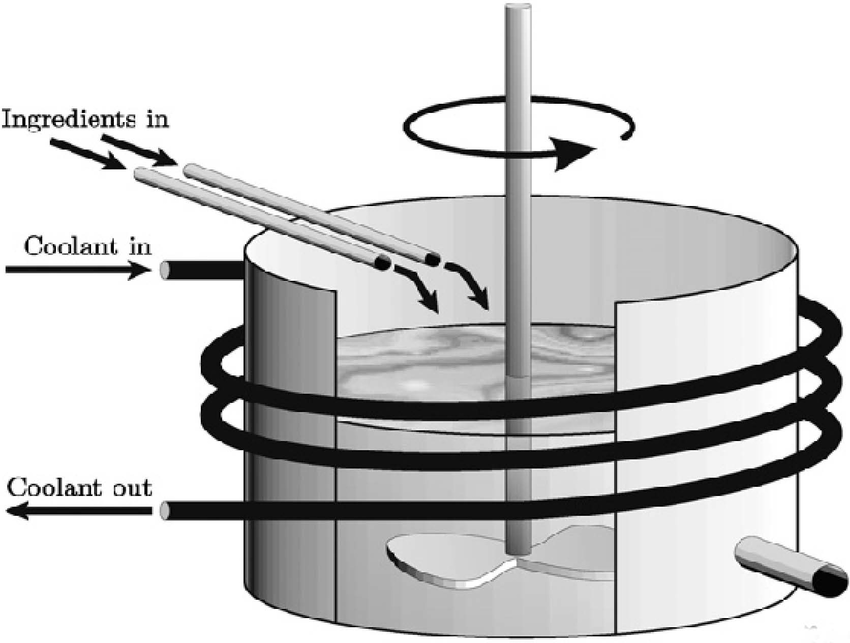
Animal Waste Treatment Tank Anaerobic Digester Spiral Tank
$72999-74999 /Set/Sets
| Payment Type: | L/C,T/T,D/P |
| Incoterm: | FOB,CFR,CIF,EXW |
| Min. Order: | 1 Set/Sets |
| Transportation: | Ocean,Land |
| Port: | S,H,A |
Share:


 Anyang Lipp Silo Engineering Co., Ltd.
$72999-74999 /Set/Sets
| Payment Type: | L/C,T/T,D/P |
| Incoterm: | FOB,CFR,CIF,EXW |
| Min. Order: | 1 Set/Sets |
| Transportation: | Ocean,Land |
| Port: | S,H,A |
Share:
Model No.: LPC2500
Brand: LIPP
Certification: ISO9001/ISO14001/ISO45001
Warranty Period: 1 Year
| Selling Units | : | Set/Sets |
The file is encrypted. Please fill in the following information to continue accessing it




Privacy statement: Your privacy is very important to Us. Our company promises not to disclose your personal information to any external company with out your explicit permission.
Fill in more information so that we can get in touch with you faster
Privacy statement: Your privacy is very important to Us. Our company promises not to disclose your personal information to any external company with out your explicit permission.


 Contact Now